입문 워크숍
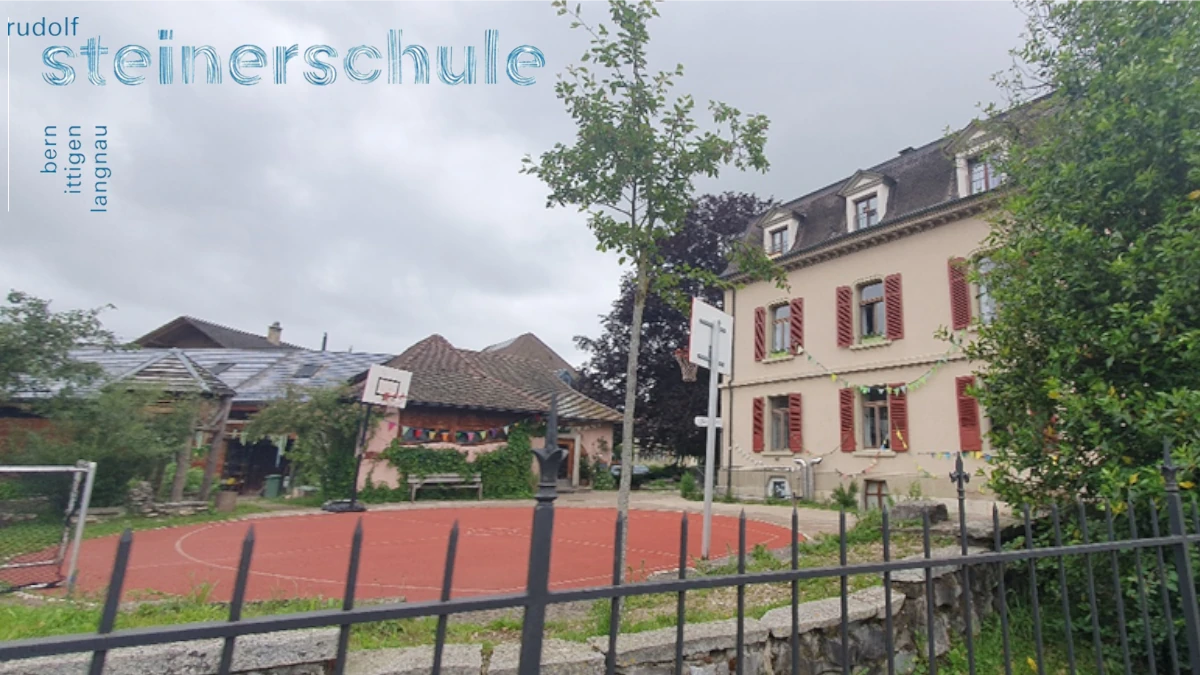
크리스티안 마이클(Christian MICHAEL)과 엘리자베스 트라운바우어(Elisabeth Traunbauer)와 함께하는 '식물의 음악' 입문 워크숍
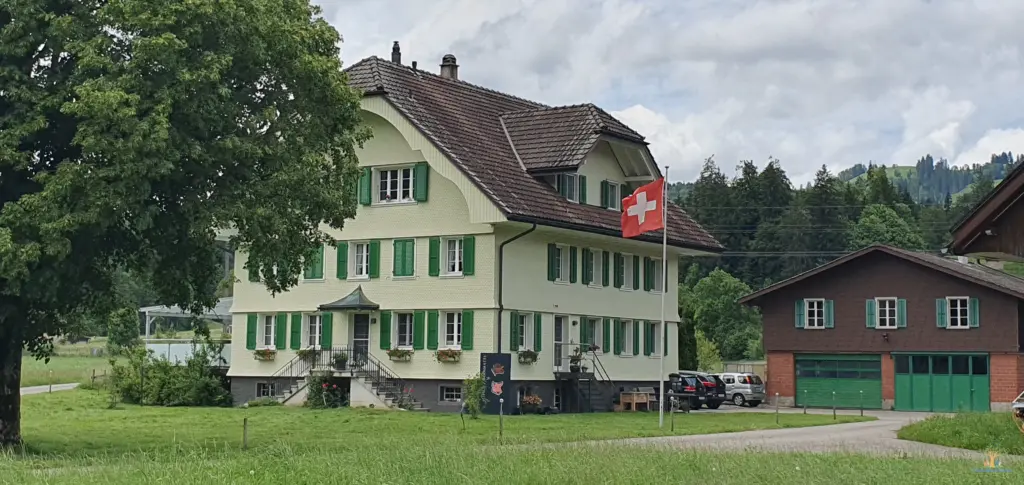
우리는 독특한 모양의 집들과 수많은 스위스 국기가 있는 구릉 지대를 지나, 베란다 주변에 알록달록한 깃발이 펄럭이는, 마치 피피 랑스트룀프의 '빌라 쿤터분트'를 연상시키는 건물 앞에 도착합니다:
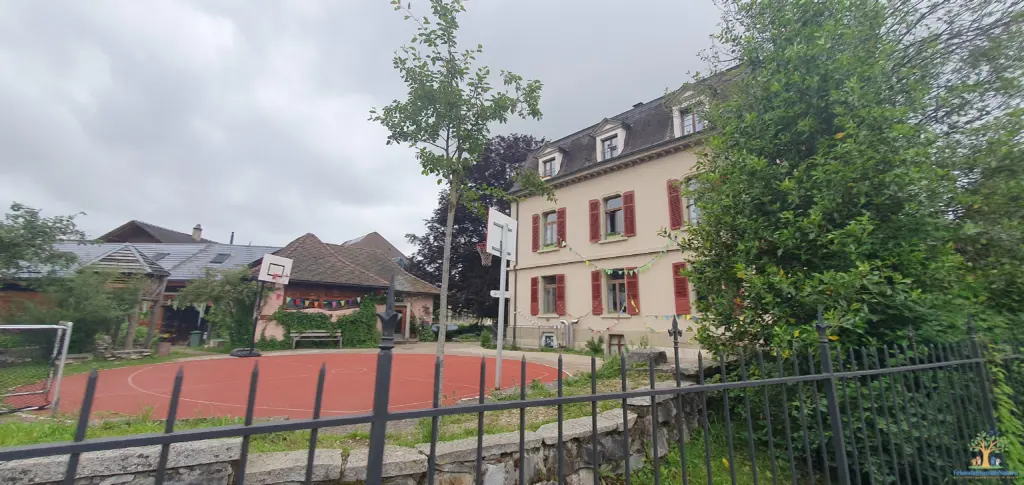
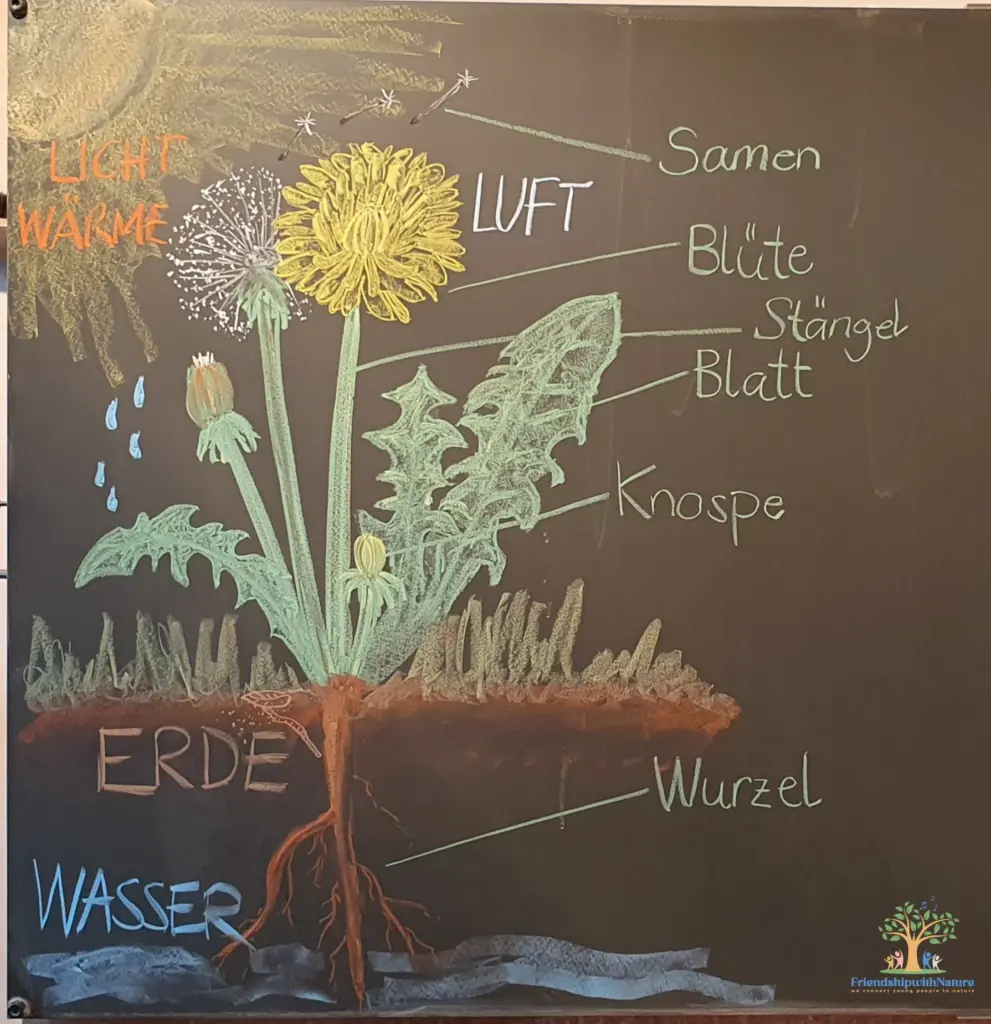
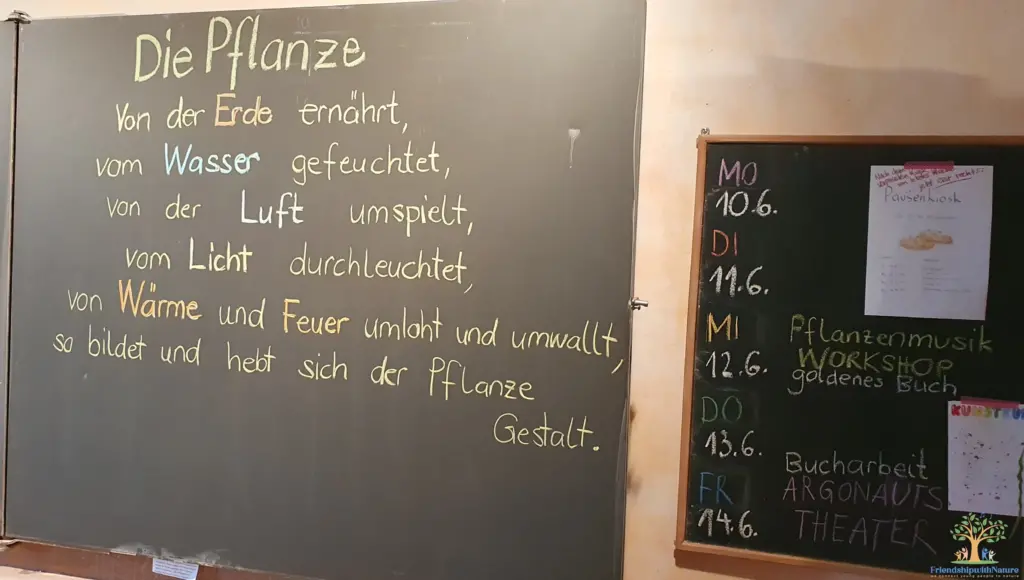
교장 선생님인 마리안네 웨이(Marianne Wey) 님이 반려견 '샤니(Shany)'와 함께 친절하게 우리를 맞이해 주시고, 매혹적으로 꾸며진 학교 건물을 안내해 주십니다. 우리는 창의적인 교실들을 둘러볼 수 있었고, 우리 워크숍을 위해 학생들을 준비시키기 위해 교사들이 예술적으로 꾸민 칠판 그림들을 발견했다:
그 후 교장 선생님은 별관 지붕 아래에 마련된 워크숍 공간을 보여주셨습니다.
평소에는 유리스미(Eurythmie) 실로 사용되는 다락방에서, 10~12세(4~6학년)의 아이들 약 30명이 의자 원형으로 둘러앉아 우리를 맞이했습니다:
8:30~9:00 크리스티안 미카엘(Christian MICHAEL)은 낙엽송 나무 원반 2개와 시각 자료를 활용해 슈비츠 방언으로 육식성 파리잡이 식물, 카멜레온 덩굴, 그리고 숲속 나무들의 공생 관계에 대한 최신 연구 결과를 설명해 줍니다. 우리는 식물들이 심지어 버섯의 세계와도 소통한다는 사실을 알게 됩니다. 그 후 아이들은 직접 탐구 활동을 시작합니다:
9:05-9:25 연구 그룹 “ei´s”
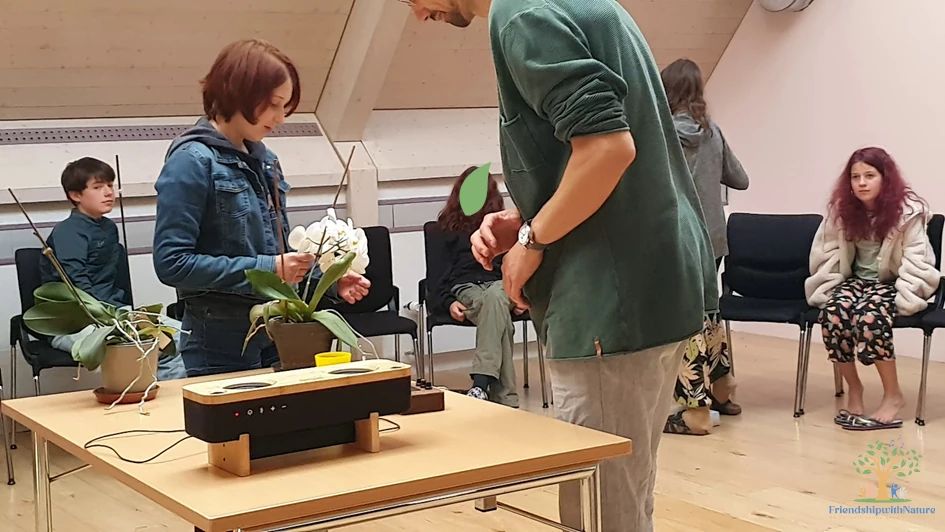
각 7~8명의 아이들로 구성된 연구 그룹이 'Friendship with Nature'와 오스트리아 슈타이어마르크주 바이츠(Weiz)의 'Human Research Institute'가 새로 개발한 'TreeMuse' 장비를 이용해 실험을 진행합니다. 참가자 각자는 몇 분 동안 온전히 혼자서 체험해 볼 수 있으며, 다른 이들은 놀랍도록 집중하여 그 자리에 함께합니다: 귀를 기울이고, 관찰하며, 식물 음악과 연구하는 어린이, 혹은 그들 가운데 있는 청소년 간의 상호작용을 위한 공간을 지켜줍니다.
9:25-9:45 연구 그룹 “zwoi”
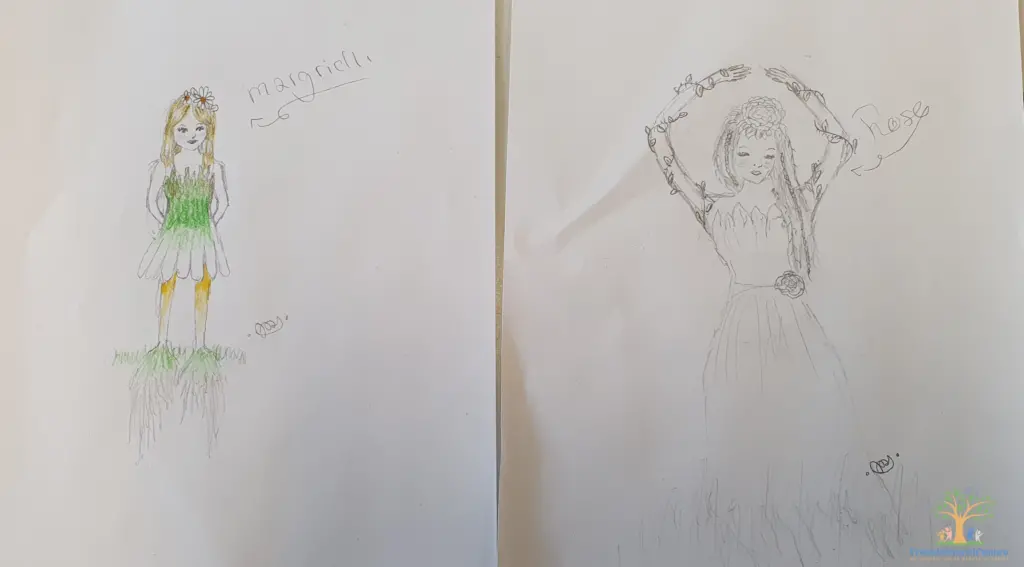
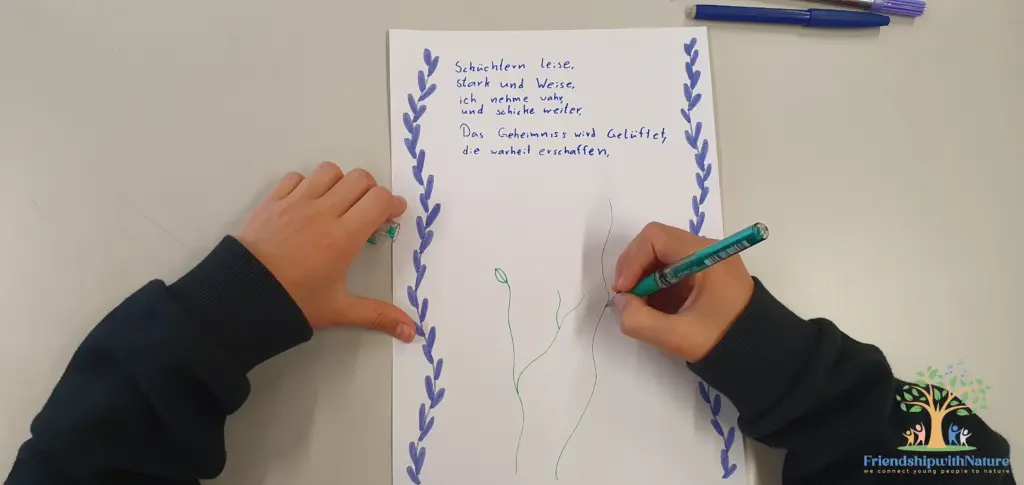
그 사이 다른 연구 그룹들은 한 층 아래에서 자신들의 경험과 소감을 정리하고 있었다. 그곳에서는 식물 음악 장치가 실내 식물을 연주하고, 아이들과 청소년들은 자신의 소감을 그림으로 그리거나 체험한 내용을 시로 적고 있다.
9.50-10.10 휴식 (스위스식: “z’Nüni”)
워크숍 진행자와 교육자 간의 활발한 교류.
아이들은 아래 마당에서 뛰어놀거나, 너도밤나무 아래에서 그네를 타거나, 학교 운동장에서 놀고 있다. 학교 운동장에서는 고등부 학생들이 직접 구운 로즈마리 빵과 시금치 페이스트리 롤을 판매하고 있다.
10:15-10:35 연구 그룹 “drü”
10:35-10:55 연구 그룹 “via”
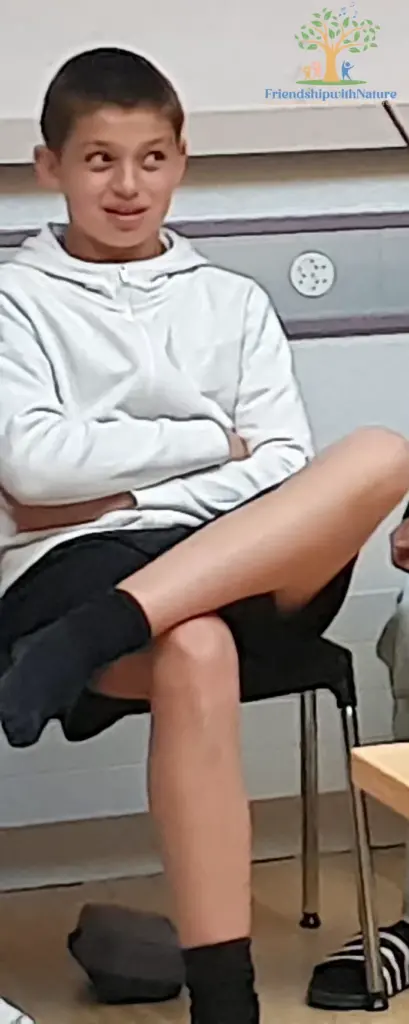 | 처음에는 단순히 녹음된 음악 프로그램일 뿐인지에 대한 일부 회의적인 반응이 있었지만, 아이들은 탐구에 열광했고 각 아이는 약 3분 동안 식물과 교감하는 시간을 가졌습니다. 노래하고, 말하고, 박수 치고, 북을 치며, 화분 속 생명체들과 음악이 어우러진 상호작용을 통해 연주했습니다. 두 난초 식물과 한 교사가 수업 중 가져온 알로에 베라가 즉흥적으로 만들어낸 즉흥 연주, 리듬의 변화, 그리고 재미있는 “개입”은 마지막 회의론자까지 설득하기에 충분했습니다. |
실험 단계에서 청소년들에게 이런 아이디어들이 떠올랐다:
난초의 머리를 뜯어내기 식물을 쓰다듬기
식물의 잎 하나를 뜯어내기 식물에 물을 주기
식물을 욕하기 식물에게 다정한 말을 건네기
거부감을 표현하기 악기로 연주해 주기
크리스티안 M.의 개입: “꽃이나 잎을 뜯어내는 것은 불가능합니다. 하지만 여러분은 그것을 마음속으로 아주 생생하게 상상하고, 그 감정을 깊이 느끼며, 난초가 어떻게 반응하는지 관찰할 수 있습니다.”
한 청소년이 식물을 욕하려고 했으나, 식물은 다시 조용해졌습니다.
식물을 해치겠다는 생각은 물론, 파괴적인 의도를 담은 직접적인 욕설도 식물을 갑작스럽게 침묵하게 만들었다. 그 후 식물에 대한 진실되고 진심 어린 애정을 표현하자 식물은 다시 소리를 냈다.

이 일은 청소년들뿐만 아니라 방에 있던 관찰자들에게도 깊은 인상을 남겼다.
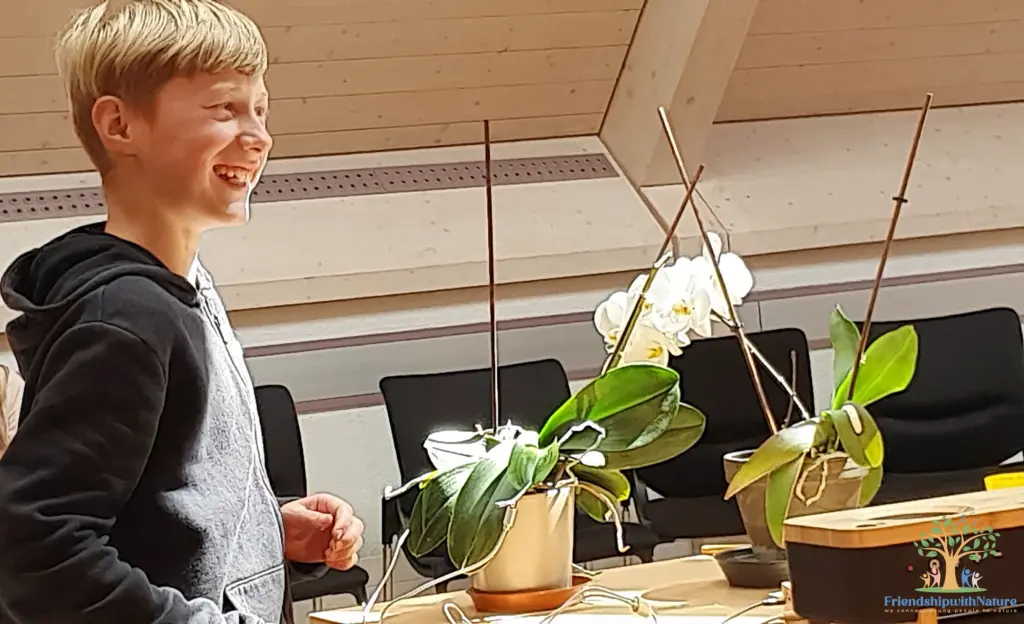
식물과의 소통이 인간 사회, 학교 일상, 반 친구들과의 관계를 비추는 거울과 같다는 점은 워크숍이 진행되는 동안 여러 번 뚜렷이 체험할 수 있었다.
11:00–11:45 공동 마무리 *학교 정원에서 너도밤나무의 음악 감상 *교사들이 나무를 껴안자, 음악에서 더 깊은 음색을 통해 변화를 관찰한다 1. 아이들과 학교의 너도밤나무 사이에 닫힌 순환 고리를 형성해 보려는 시도: 아이들은 학교 정원에 있는 200년 된 너도밤나무를 둘러싸고 손을 잡고 원을 이룬다. 교실에서의 두 번째 실험: 다시 교실로 돌아와 마른 나무 바닥 위에서, 한 아이가 다른 아이의 손을 놓자마자 순환이 끊기고 식물의 반응이 멈춘 것이 아주 명확하게 드러났다. 실험 성공! *모든 아이는 워크숍에 대해 마지막 소감을 말할 기회를 가졌습니다. “그저 그렇다”에서 “재미있다”, “와!”에 이르기까지 다양한 반응이 나왔습니다. | 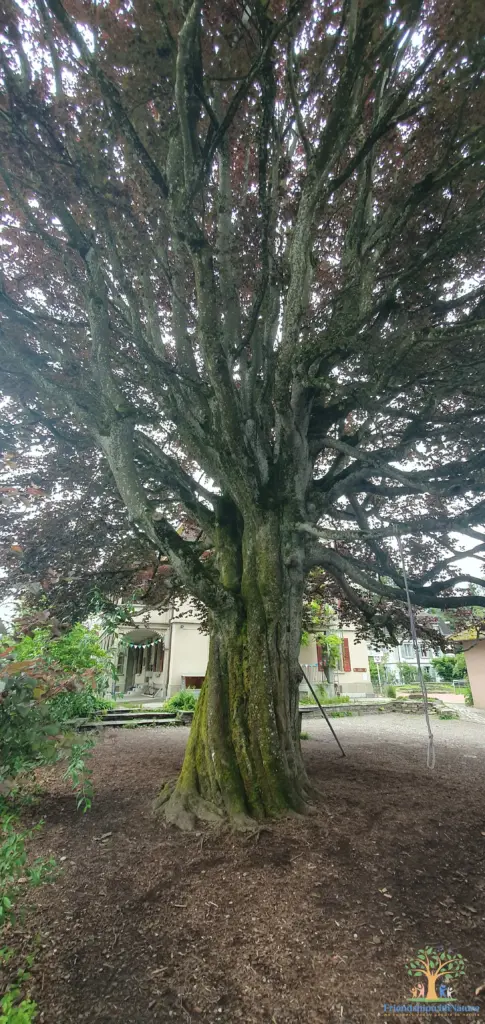 |
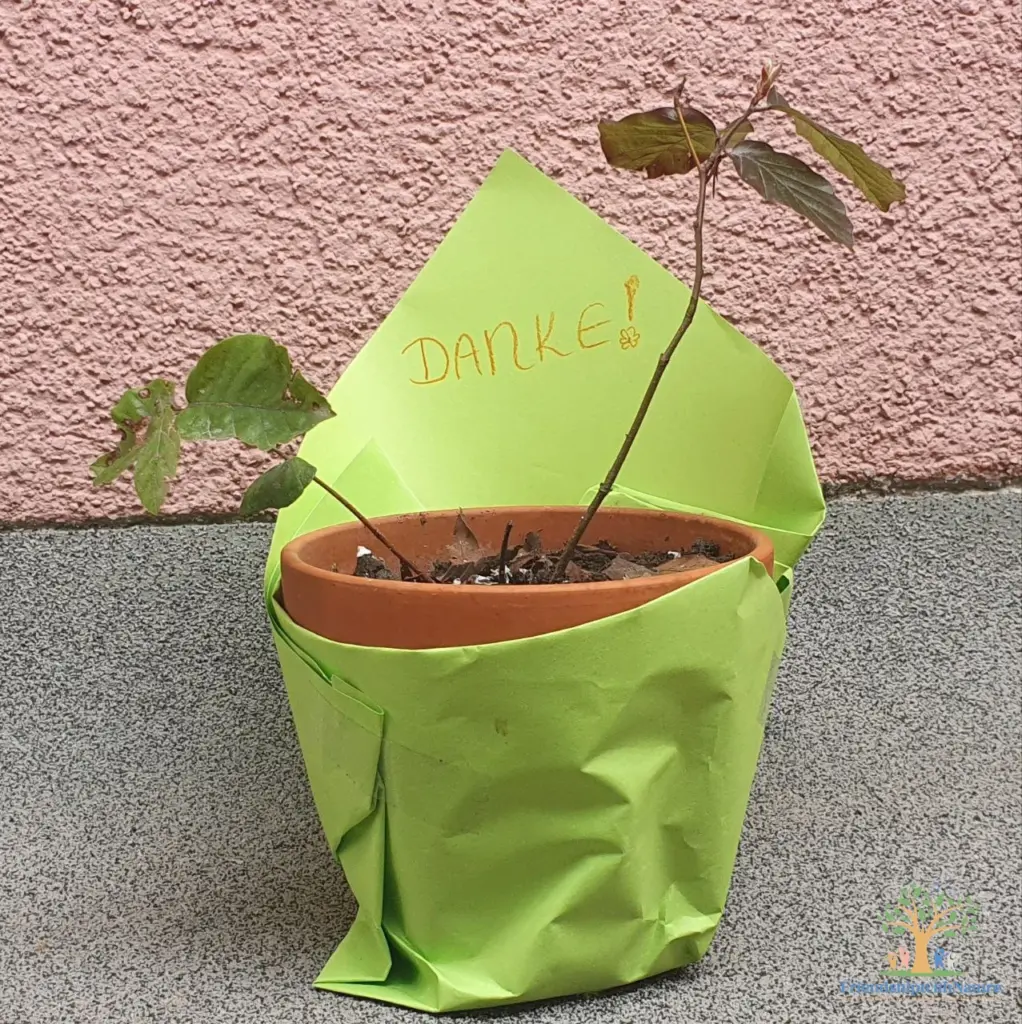
랑나우 루돌프 슈타이너 학교가 ‘Friendship with Nature’의 시작 워크숍에 대한 감사의 표시로 학교 운동장에 있는 200년 된 너도밤나무의 새싹 두 그루를 선물했다.